The list below is by no means exhaustive, but serves to illustrate the changes that are taking place within the Mbara Facility, the catchment area and the County as a whole, thanks to the ongoing efforts of the Yellowmen.
The Mbara Facility
The Rotary International Global Grant and the work it supports has to be seen within the context of the poverty stricken area we work in. West Pokot is one of the two poorest of the 42 counties in Kenya. There are no metalled roads, no public transport, little sanitation and, until the Yellowmen started their project, no clinic or maternity provision in the area.
In discussion with West Pokot County, it was agreed that a clinic was desperately needed in the area. This was evidenced by some research carried out by the Yellowmen and two local medics, in which 100 pupils from one of the Mbara schools were medically examined. The statistics speak for themselves. Of the 100 children examined, 98 were found to be suffering from one ailment or another, ranging from impetigo to malaria and pneumonia. Two of the children, both girls aged 14, had life threatening conditions requiring immediate transfer to a District Hospital. The first had necrotizing fasciitis, most likely caused by Streptococcus A infection, resulting in partial degradation of her right calf muscle. She was the only girl wearing long white socks, with a pad, masking the severity of the problem. The second girl had great difficulty breathing, complained of dizziness, and on examination was found to have a very fast and irregular heartbeat. She was referred to the County General Hospital in Kapenguria. In addition to this, 11 of the girls, some of them very young, were found to be pregnant.
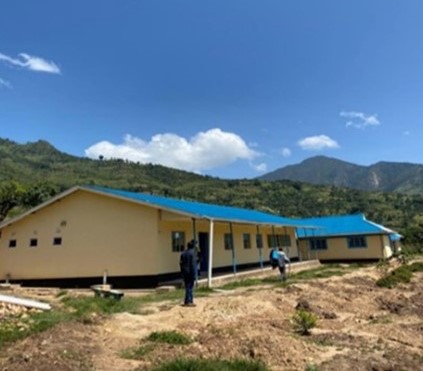
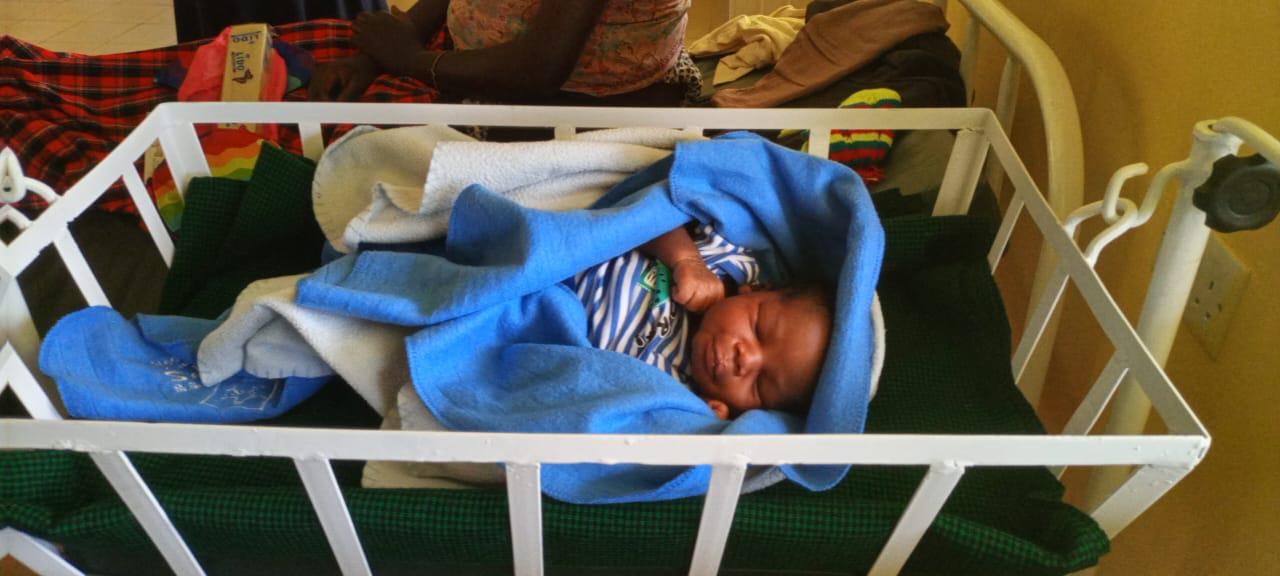
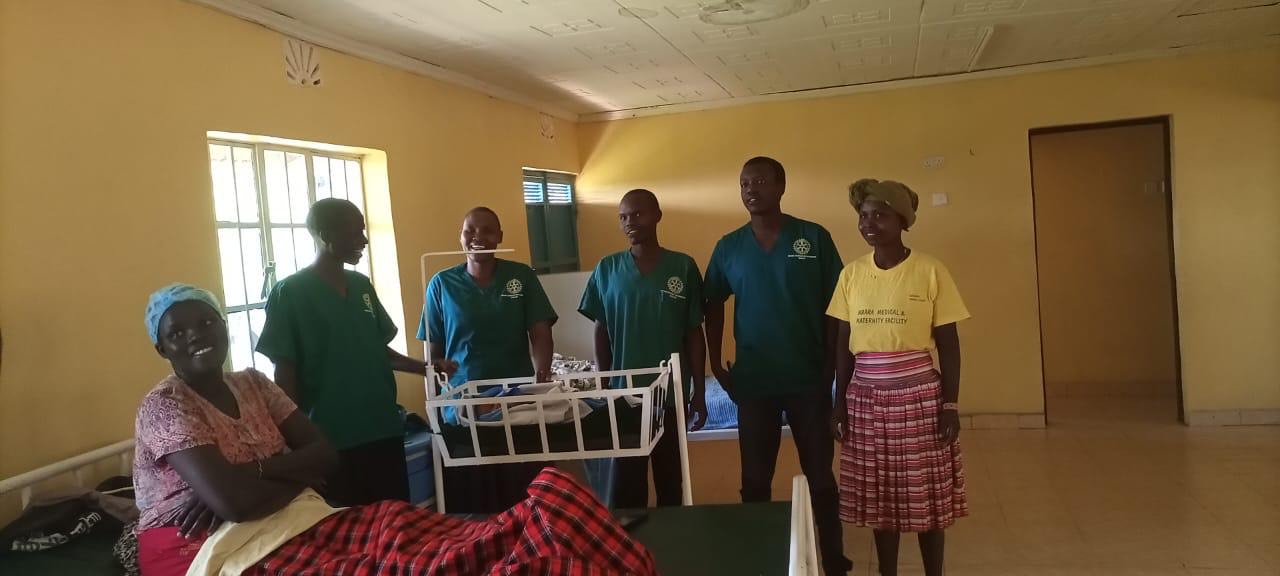
The Maternity Unit, built by the Yellowmen, completed the Medical Facility at Mbara, and the site now offers a comprehensive service to the local community. The Clinic and the Maternity Unit were formally opened in February 2023 with a grand tribal ceremony by the newly elected Governor, who fully supports the work of the Yellowmen. Since then, the new Minister of Health has visited the site six times, and promotes the Maternity Unit as an example for other regions to follow. Her continuing support is invaluable. Although it will take some time to fully integrate the two units at this facility, there are already a team of 11 staff on site, 20 mother-to-mother support workers, a co-ordinator for the Yellowmen Sanitary Towel Project, 2 ward support workers and 2 groundsmen. Following the completion of the Maternity Unit, hundreds of fruit trees have been planted in the surrounding area, for the benefit of both community and patients alike, in an effort to enhance the local diet.
In an attempt to produce a forward looking model, the Global Grant has allowed the Yellowmen to fund a fully equipped first-class Maternity Facility. It has also enabled the establishment of an in-service staff development programme. Gladys Chepotich was one of the first to benefit from this, when she was given funding to begin a three year Nutrition and Dietetics course at Mount Kenya University, which will qualify her to work as a Dietician at the Mbara Facility. Jacob Poriot, who worked as an unpaid volunteer clinician in the Mbara Facility, also received funding to take a sixth month certified course in HIV and Testing Management at Kapenguria Medical School. In February 2024, the Yellowmen agreed to support a local ambulance driver by funding a one week course to develop his first aid skills.
The in-service development programme not only benefits the staff by supporting their professional development, but enhances the overall quality of care afforded to patients. An overall feeling of excitement and positivity is echoed throughout the facility, with many more members of staff wishing to enhance their professional training. To meet such needs, West Pokot County is committed to providing further financial support.
Beadwork
Over the past few years several initiatives have started to help transform the lives of women. The first derives from the Ushanga Kenya Initiative, a national initiative established by the Kenyan Government in 2017 ‘for job creation and transformation of the living standards of women from pastoral communities through the commercialization of beadwork, which has otherwise been a traditional activity with no significant economic benefits to the communities.’

In the areas of Sigor and Marich, the Yellowmen have established two centres producing beadwork. The beadwork is purchased by the Yellowmen who then sell it back in the UK, returning the profits to the two groups. This is a vital source of income for the ladies, particularly as one of the groups is made up of ladies with HIV.
Construction
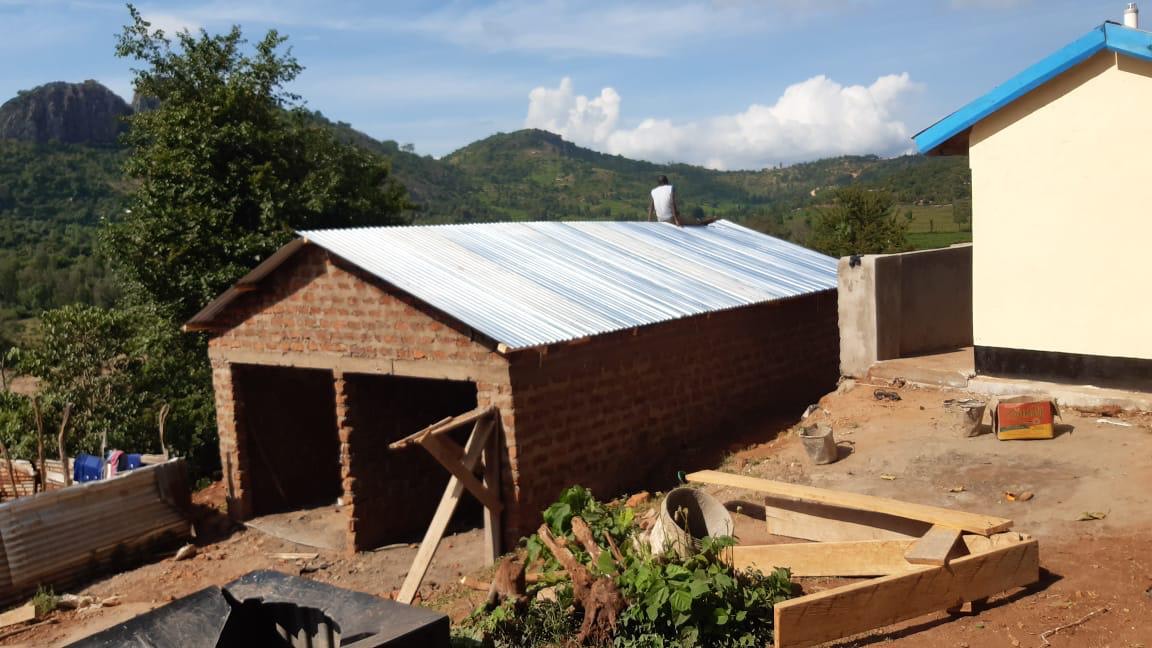
To date the Yellowmen have built several clinics, refurbished several more units, added specialist accommodation to local hospitals, and built two accommodation blocks for clinical staff. The training of construction staff by Yellowmen specialists has meant that all local Yellowmen building projects are staffed by construction crews with experience and a level of expertise. The experience gained enhances employability for those involved throughout the year.


Health Education Seminars
The Yellowmen continue to support 30 schools with books, stationery and equipment, in addition to providing in-service training for teachers at all levels.

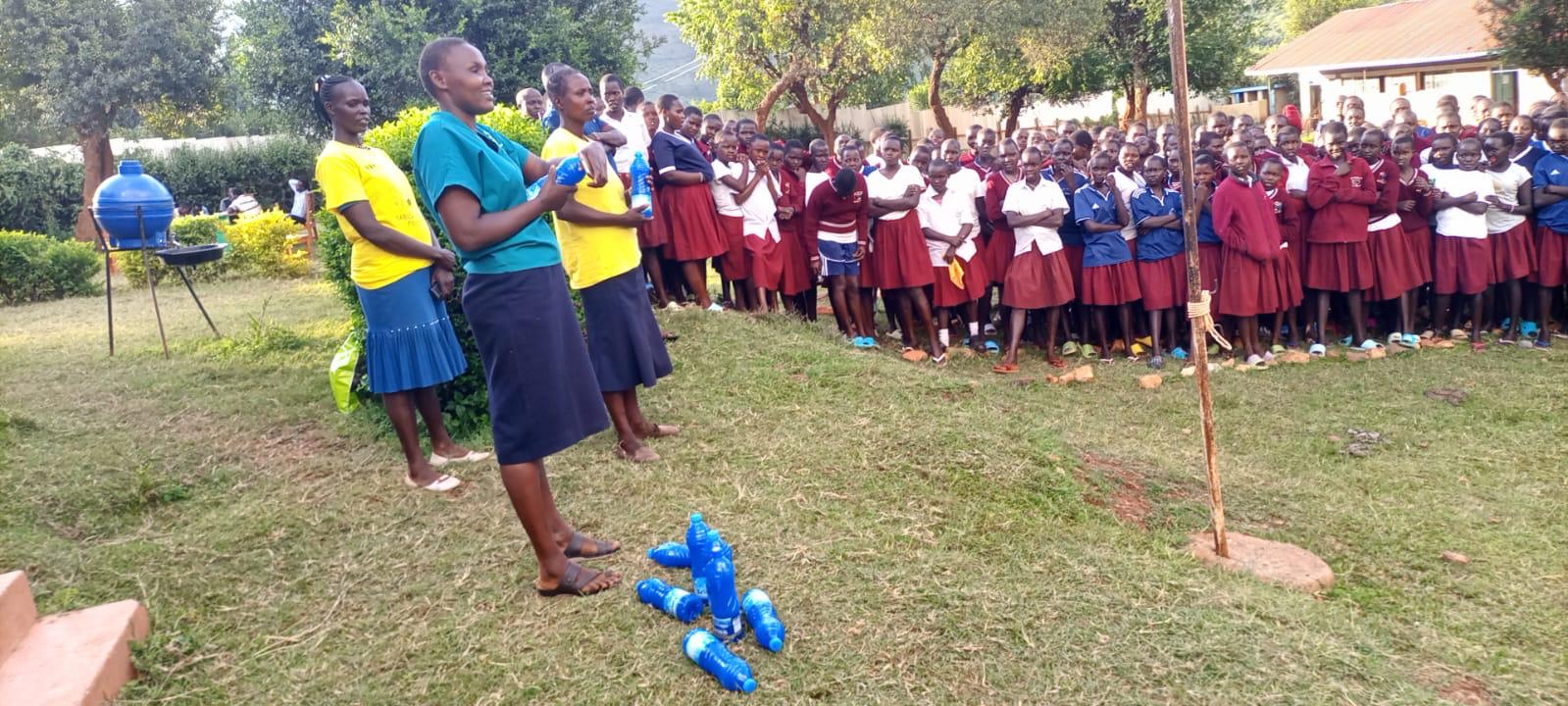
Currently supported by the Global Grant, a series of Health Education Seminars are provided for teachers and clinical staff as part of the roll out of the new system of links between school and clinic. These seminars are delivered to teachers and nurses together with the aim of forging close links between the two, so as to further develop the Mbara Health Education Programme. Each school will have a named teacher trained to supervise the health of pupils in the school. They in turn will have a named clinician whom they can regularly contact to report pupils’ medical problems, seek advice as to treatment, or make a referral. Each of the teachers will have undergone a basic First Aid Course and will have opportunities to visit the Clinic and Maternity Facility. At present, children are taken to the Clinic during school time by their parents. This new system will remove that necessity.
Sanitary Towels
Since 2005 the Yellowmen have been trying to tackle the issue of girls missing school due to menstruation. Initially we chased up local Education Officers when schools didn’t receive their allocation of sanitary towels. We then went on to purchase boxes of towels and supply the local schools ourselves. However, demand continually outstripped supply. When washable sanitary towels became available, the Yellowmen decided to supply sewing machines to schools thus enabling the girls to make their own reusable towels from locally sourced materials.
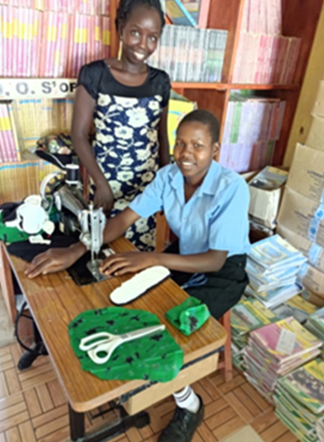
This latest initiative has been a great success. The Yellowmen now employ a trained machinist who not only produces towels for use in the Maternity Unit but also teaches pupils in school how to use the sewing machines provided. Not only does this empower the girls by teaching them valuable skills, but is a more sustainable answer to the sanitary towel problem, whilst boosting the local economy. Sewing machines are also available in the Mbara Facility for use by members of the community.
Other News
 The Yellowmen of Kadongdong